Start with the job geometry
- Where does the unit sit relative to the task—perimeter, central aisle, or mobile between work zones?
- How long must it run between fuel or charge events—partial shift, full shift, or multiple nights?
- Are you lighting staging lanes, dock aprons, or interior build-outs with limited ventilation?
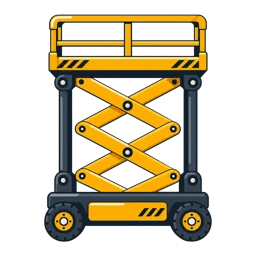
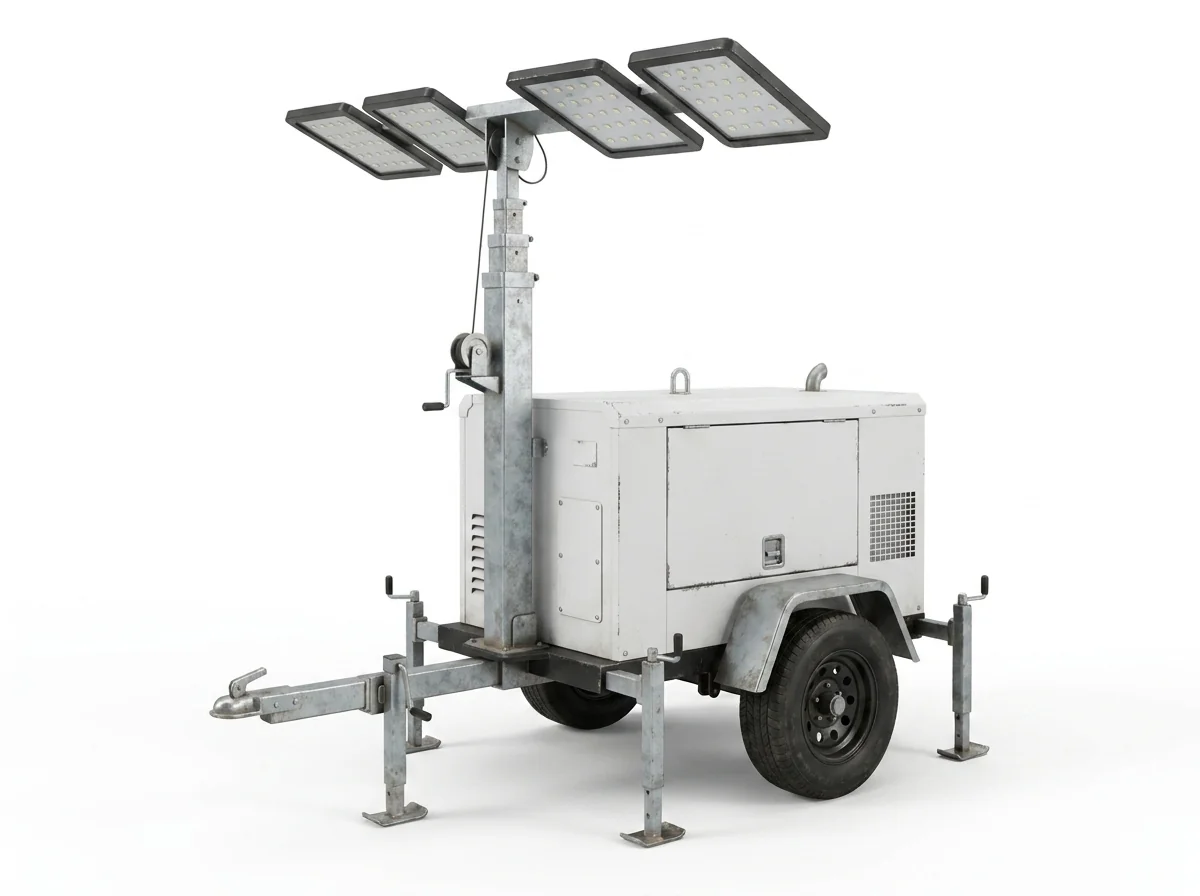
The answer sets the case size, sound profile, and fuel type. Perimeter placement favors towable light towers with wider mast spread. Interior build-outs often push toward compact, lower-emission power and smaller fixtures aimed to avoid glare on elevated work such as electric scissor lifts or vertical mast lifts.
Local conditions that change the comparison
- Heat: The regional climate raises cooling demand. For generators, this impacts derating assumptions and may call for larger capacity headroom. For electric-powered lighting, plan charging cycles with heat in mind.
- Dust: Industrial areas around Bakersfield can be dusty, which influences filtration intervals. Units with accessible service points help keep uptime predictable.
- Terrain: Most new pads and warehouse yards are flat concrete or compacted base. Towable towers and skid-mounted generators track well here; verify gate widths and turning radii at busy docks.
Narrowing wattage and illumination
- Power: List peak and continuous loads for tools, site trailers, and battery chargers. High-bay work and multiple lift chargers can spike demand; reserve capacity reduces nuisance trips.
- Lighting: Identify target lux at ground and working height. Long staging lanes benefit from taller masts and asymmetric optics. Smaller build-outs prefer shorter masts with controlled spill to limit glare onto elevated platforms.
Access route and siting details
- Access: Note curb cuts, dock congestion, and night-shift traffic patterns. Night deliveries may need tight maneuvering room near active bays.
- Clearance: Confirm mast height versus overhead lines or interior trusses. In interior phases, ensure fixtures can aim under or between framing without hot spots.
- Noise envelope: Near residential edges or late-night operations, look for lower-sound packages and schedule fueling away from busy dock doors.
Related equipment planning
If lighting supports elevated tasks, align fixture placement with lift aisles. For interior work on flat slab, see electric scissor lift rental. For exterior yard work with uneven surfaces, compare rough-terrain scissor lifts or boom lifts.