Start with siting and access
- Can trucks place the container without crossing active dock lanes?
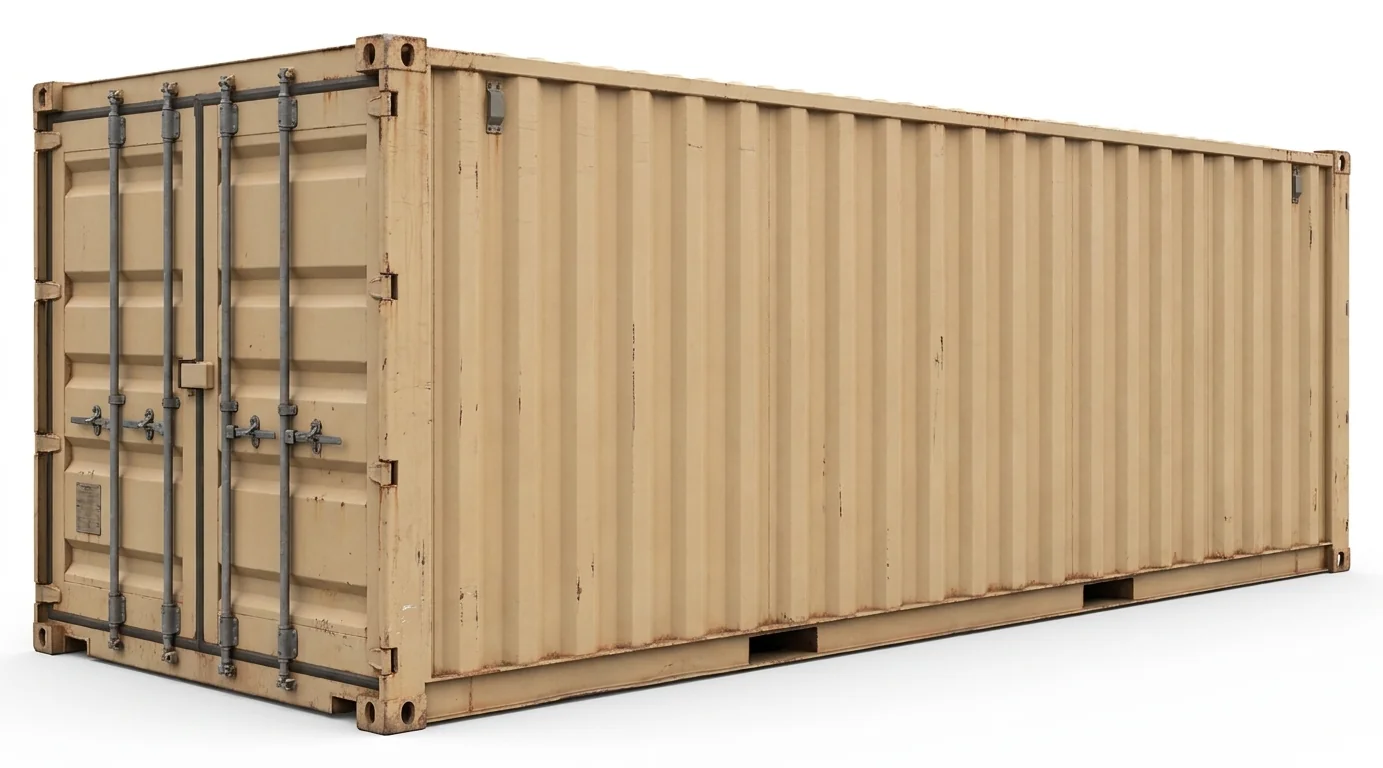
- Does the door orientation align with the picking path to the work area?
- Is the container on flat slab or compacted base with enough turning room for delivery?
Efficient siting reduces double handling. Align doors toward the aisle feeding lifts like forklifts or telehandlers that shuttle materials to interior work.
Local conditions that change the comparison
- Heat load: The regional climate raises interior temperatures. Light-colored exteriors, vents, and shade positioning help protect adhesives, seals, and electronic tools stored inside.
- Dust: Fine dust migrates into frequently used doors. Weather strips and internal shelving that keeps items off the floor make inventory easier to maintain.
- Security vs. speed: Around busy yards, high-traffic access may push toward double-door units for faster pulls, while critical spares may sit in a separate container with reinforced lock boxes.
Size, layout, and door choices
- Length: Shorter units fit tight apron corners near dock doors; longer units handle racking, conduit, and bulk picks for high-bay projects.
- Doors: Roll-up or double-door ends speed access for repetitive picks. Side-door configurations help when the container must run parallel to a fence line.
- Interior fit-out: Tie-down points, shelving, and clear aisle markers support quick loading and reduce time at the threshold during peak dust or heat.
Route and workflow alignment
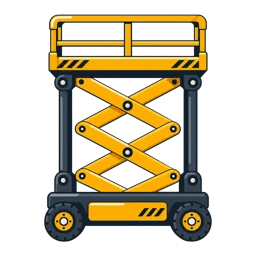
Map the movement from container to task. For mezzanine or elevated installs, materials often transfer from container to electric scissor lifts or vertical mast lifts inside. Yard-based industrial maintenance may rely on telehandlers for longer reaches.
Stability and ground interface
Flat industrial pads in the area generally support direct placement. On compacted base, check for drainage so doors swing freely after rare storm events. Keeping thresholds clear limits dust tracking into interior phases.