Confirm sit-below geometry
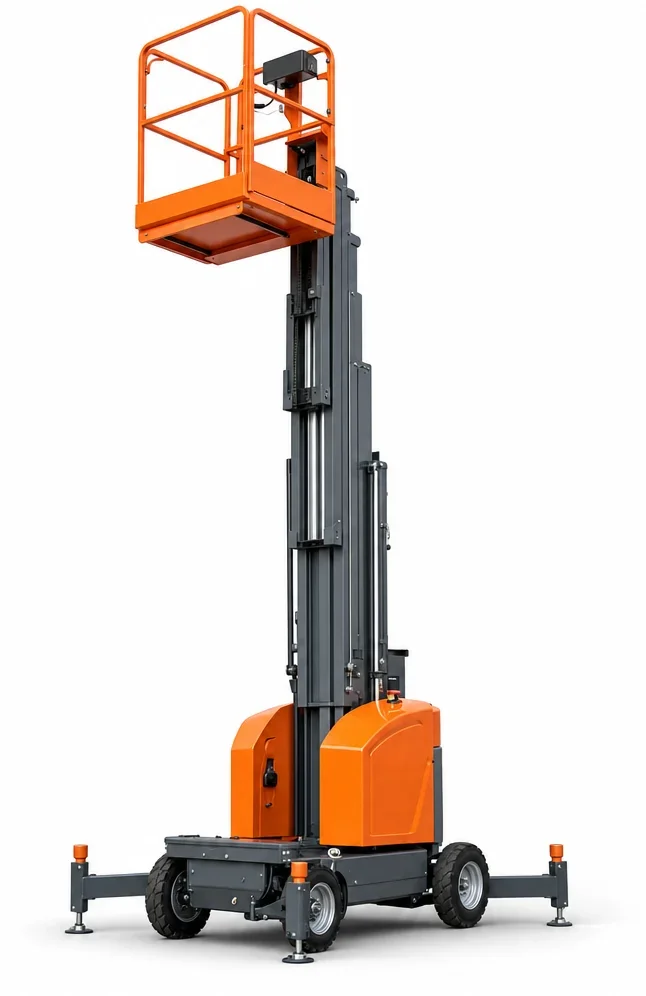
A vertical mast makes sense when the machine can sit below the task with minimal offset. Measure: - Platform height needed for the work face - Narrowest doorway and corridor on the route - Turning radius at end-of-aisle locations
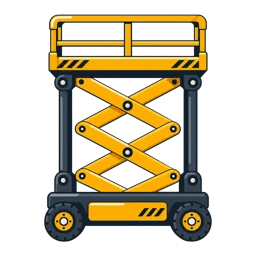
If an obstacle blocks a straight-up approach, compare with /articulating-boom-lift-rental/ for up-and-over reach or /electric-scissor-lift-rental/ for wider platforms when space allows.
Bakersfield interior conditions that matter
- Flat slabs and polished floors: Low ground pressure and non-marking tires reduce floor impact in high-traffic aisles.
- Heat and battery cycles: Extended heat can shorten charge intervals; indoor charging stations and airflow planning help maintain run time.
- Dust: Filters and sliding mast sections may need closer attention in dusty environments common to the area.
Footprint and reach trade-offs
- Compact chassis improves access through standard doors but limits platform capacity.
- Some models offer slight outreach with a jib or extension; confirm that any outreach still fits within aisle clearances and floor loading.
When another category is better
- Wider work zones needing more deck space: /electric-scissor-lift-rental/
- Exterior or uneven surfaces: /rough-terrain-scissor-lift-rental/ or /telescopic-boom-lift-rental/
Actual conditions, the selected unit’s instructions, and site procedures govern elevated work.
Bakersfield planning checklist
- Exact working height and clearance under lighting or sprinklers
- Door widths, thresholds, and elevator dimensions if applicable
- Floor loading limits near mezzanines or elevated slabs
- Charging access within the facility and expected duty cycle