Define the stand-off and height
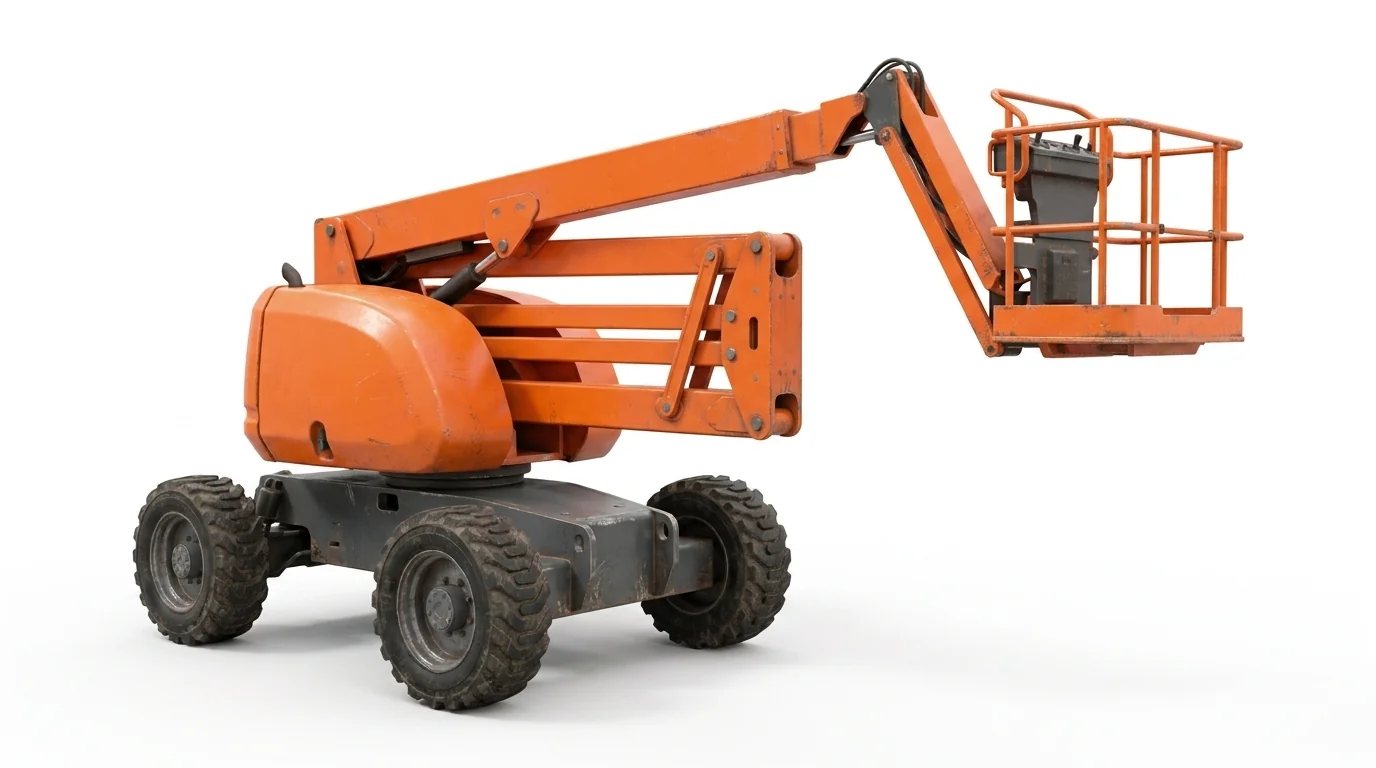
The telescopic boom decision starts with two numbers: - Stand-off distance: Where can the machine safely sit relative to the work? Measure from the centerline of the turret to the work face. - Platform height: The working elevation of the task, not just overall structure height.
Match these to the boom’s outreach chart. If the stand-off pushes the machine farther back due to curbs, fencing, or docks—common around local distribution buildings—you may need the next reach class.
Local site considerations
- Surface type: New industrial parks offer flat concrete, but exterior work often transitions to compacted base or asphalt with soft spots. Rough-terrain configurations handle mixed surfaces better.
- Wind and exposure: Open yard conditions increase wind exposure. Review the selected unit’s instructions and site procedures for allowable conditions.
- Heat and duty cycle: Extended sun and high temperatures can affect hydraulic performance and, on electric models, battery run time. Plan charging windows or consider engine power for long exterior shifts.
When a different boom makes more sense
- Obstructions between the machine and target, like parapets or conveyors: /articulating-boom-lift-rental/
- Pure vertical indoor access with slab floors: /electric-scissor-lift-rental/
- Tight indoor maintenance below warehouse lighting in narrow aisles: /vertical-mast-lift-rental/
Capacity, jib, and attachment considerations
- Platform capacity and jib articulation determine whether the task can be reached without re-staging.
- Weight and transport: Confirm approach routes, dock transitions, and any trench covers.
Actual conditions, the selected unit’s instructions, and site procedures govern elevated work.
Bakersfield planning checklist
- Measured stand-off after accounting for curbs, landscaping, or fencing
- Longest horizontal reach needed at working height
- Surface transitions from slab to base rock or asphalt
- Heat management and duty cycle expectations