Start with the load map
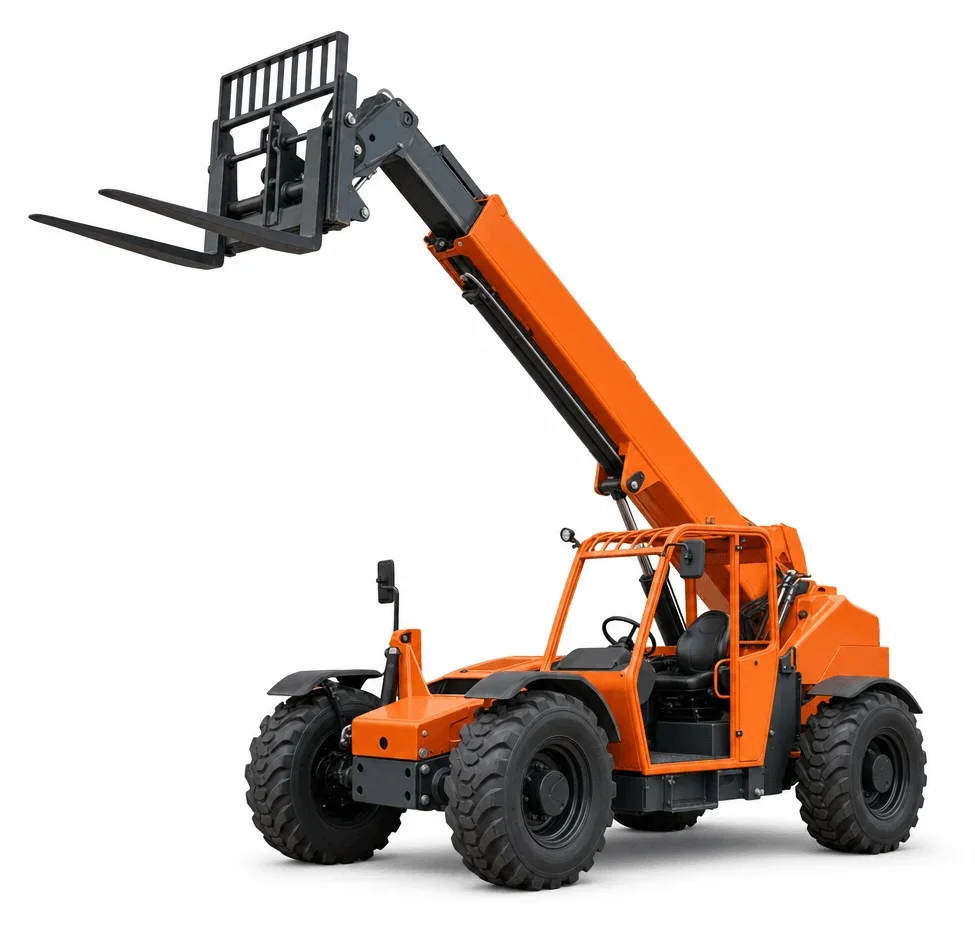
- Weight and center of gravity: A rated capacity at the forks’ heel is not the same as capacity at full reach. Map where the load must land—on mezzanines, platforms, or truck beds.
- Dimensions and stability: Long or uneven loads change the stability triangle and may limit practical reach even if charts allow it.
Site patterns in Bakersfield that change sizing
- Distribution docks and interior aisles: Dock-high thresholds and bollards often force angled approaches. Confirm turning space and door heights before selecting wheelbase and boom class.
- Yard conditions: Compacted base and dusty conditions are common. Rough-terrain configurations and higher ground clearance help maintain traction and frame leveling.
- Heat: Prolonged sun exposure can influence hydraulic temperature management and tire life over long shifts.
Height and reach classes
- Mid-reach units: Suited to placing palletized materials on second-story decks or truck beds where space is limited.
- High-reach units: Useful for staging on grade and placing loads to upper levels of racking or structures without re-positioning.
When another category fits
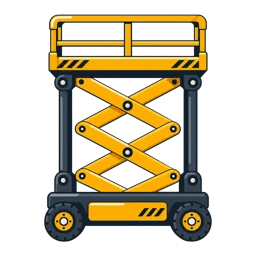
- Pure vertical personnel access: /electric-scissor-lift-rental/ or /vertical-mast-lift-rental/
- Up-and-over personnel reach around obstacles: /articulating-boom-lift-rental/
- Long, unobstructed personnel reach at elevation: /telescopic-boom-lift-rental/
Actual conditions, the selected unit’s instructions, and site procedures govern all lifting and elevated work.
Bakersfield planning checklist
- Final placement point height and the stand-off distance required
- Narrowest opening, ramp grade, and dock transition on the route
- Load type, dimensions, and packaging stiffness
- Ground bearing capacity at staging points and under travel paths